08 October 2026
How Professional Roof Repairs Can Prevent Pest Intrusion
Presented by @emiliosvhy976
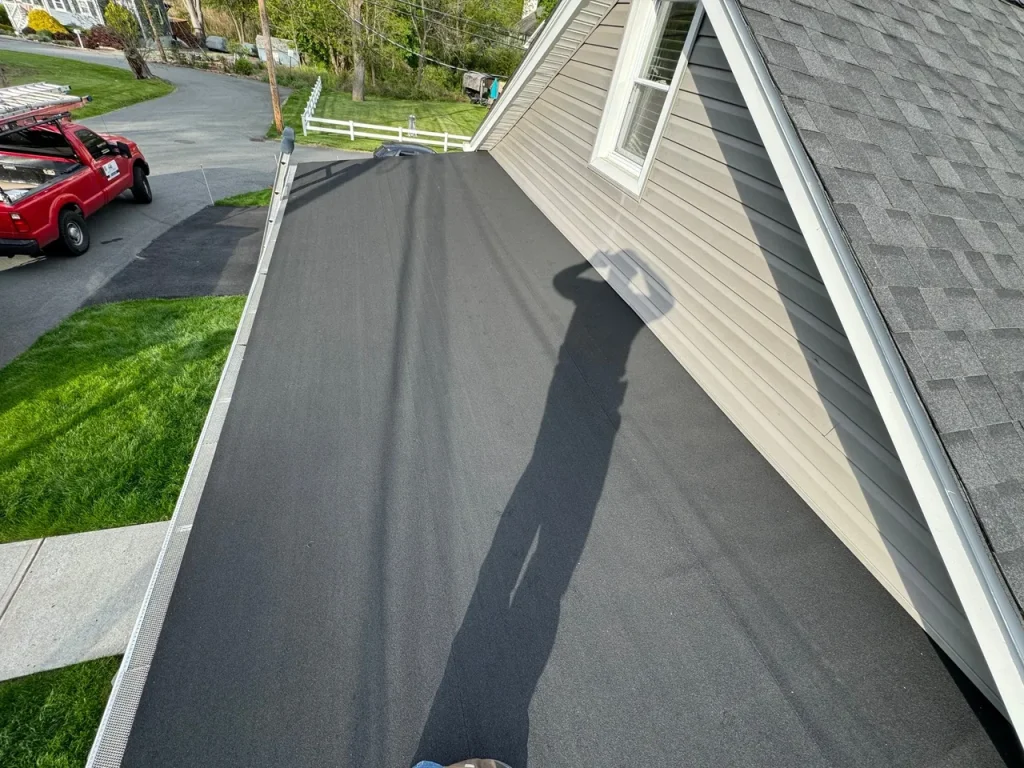
A roof does more than keep rain out. It controls airflow, protects insulation, supports the structure beneath it, and closes off one of the most common entry routes pests use to get inside a building. When that outer shell begins to fail, even in ways that look minor from the ground, animals and insects notice quickly. A lifted shingle, a gap along the flashing, a softened section of roof decking, or an opening where a vent meets the roofline can turn into an invitation.
Homeowners often think of pest control and roof repairs as separate problems. In practice, they overlap constantly. Many infestations begin not in the kitchen or the basement, but higher up, at the roof edge, the attic vent, or the junction where roofing meets siding. By the time scratching sounds, droppings, or chewed insulation appear indoors, the original access point may have been open for months.
Professional roof repairs matter because they address the real weakness, not just the symptom. Sealing a visible hole with a quick patch rarely solves much if water damage has softened the wood around it or if the surrounding materials are already pulling apart. Pest intrusion is usually a building envelope problem before it becomes a pest problem.
Why the roof is such a common target
Pests look for three things: shelter, warmth, and an easy way in. Roof systems often provide all three. The upper part of a house is quieter than ground level, less disturbed by people, and full of protected cavities. Attics stay dry when the roof is sound, and when they are not dry, they often become even more attractive to insects that thrive in damp conditions.
Small openings are enough. Mice can squeeze through gaps that seem implausibly narrow. Bats need very little clearance to enter eaves or attic spaces. Wasps and bees exploit seams around vents and soffits. Squirrels and raccoons are strong enough to enlarge weak points that started as minor construction defects or weather wear. Once one animal gets in, the damage tends to accelerate. Insulation gets compressed or torn apart, wiring may be chewed, and waste contamination builds quickly.
I have seen roofs where the obvious issue looked cosmetic, a few curled shingles near the ridge, but the real problem sat two feet away. The ridge vent had separated slightly from the cap shingles, leaving a hidden slot large enough for insects and small rodents. The homeowner was focused on a bedroom ceiling stain. The pest activity was coming through the same failure area.
The weak points pests exploit most often
Not every roof leak leads to pests, and not every pest issue starts with active water intrusion, but the two conditions frequently support each other. Weak roof components create access. Moisture then worsens the materials, making intrusion easier over time.
The most common trouble spots are usually not the broad field of shingles. They are the transitions and penetrations. Flashing around chimneys, plumbing stacks, skylights, dormers, and wall intersections tends to fail before the rest of the roof. Soffits can rot from trapped moisture. Fascia boards can separate after repeated wet and dry cycles. Ridge vents, box vents, and gable vents sometimes loosen, crack, or lose their screening. Even gutters can contribute when overflow causes chronic dampness along roof edges and trim.
Age also plays a role. A newer roof can still develop entry points if it was installed poorly, but older roofs present more opportunities. Sealants shrink. Nails back out. Underlayment degrades. Wind lifts shingles just enough to expose edges. Animals do not need a dramatic opening. They need persistence and a vulnerable detail.
One of the biggest misconceptions is that if you cannot see daylight in the attic, the roof must be secure. Many entry points are shielded by insulation, framing, or vent baffles. Others sit behind gutters or under overhangs. Professional roofers know where to look because they understand how assemblies are layered and where separation tends to occur first.
Water damage and pest activity often travel together
A dry, intact roof is harder for pests to breach. A damp, deteriorating one is easier. That connection is especially important because moisture damage changes the condition of building materials in ways that are not always visible from below.
When roof leaks soak decking or trim, wood loses strength. Nails stop holding as well. Paint and sealants fail sooner. Mold can begin forming in enclosed spaces, which draws certain insects and creates odors that may attract animals seeking a less exposed nesting area. Wet insulation also loses thermal performance, so attic temperatures fluctuate more sharply. In winter, the attic may hold pockets of warmth that make nesting more attractive. In summer, some pests are drawn to shaded roof voids that stay cooler than exterior surfaces.
Termites are usually associated with foundations and crawl spaces, but roof leaks can create upper-level moisture conditions that attract secondary wood-destroying organisms, including carpenter ants and some beetles. Carpenter ants in particular tend to favor damp, decayed wood rather than sound timber. They are often a sign that roof-related moisture has been ignored too long.
This is why professional roof repairs should be viewed as preventive maintenance, not just cosmetic upkeep. Fixing the roof early can stop a chain reaction: water damage, material decay, pest entry, contamination, and then more expensive interior work.
What professional roof repairs accomplish that patch jobs do not
The difference between a temporary fix and a professional repair usually comes down to diagnosis. A skilled roofer does not just close the visible opening. They determine why that opening formed, how far the damage extends, and whether adjacent components are likely to fail next.
That matters because pests test the perimeter repeatedly. If one vent is screened but the nearby soffit remains soft, they may simply move a few feet over. If flashing is resealed without replacing rotten substrate beneath it, the repair may hold briefly and then pull loose again. If the roofing issue is tied to poor ventilation or chronic ice damming, the same conditions will keep stressing the repaired area.
A proper repair often involves more than one trade detail. It may include replacing damaged decking, reinstalling flashing correctly, securing underlayment, matching shingles, restoring vent screening, and making sure the roof edge drains properly. Those steps are what turn a roof from a vulnerable surface into a complete barrier again.
Professional roofers also tend to notice signs homeowners miss. Nesting material under eaves, rub marks on fascia, droppings in attic insulation, chewed screens, and staining around vent penetrations all tell a story. That field judgment is difficult to replicate with a quick do-it-yourself approach.
The pests most often linked to roof defects
Different pests exploit different roof conditions, but the pattern is surprisingly consistent. Roof damage creates opportunity, and opportunity turns into habitation.
- Rodents, especially mice and squirrels, often enter through gaps at eaves, roof returns, ridge vents, and utility penetrations.
- Raccoons commonly target weak soffits, loose fascia, and damaged roof edges they can pry open.
- Bats use small openings along flashing, ridge caps, and attic vent areas, especially where light and air movement are subtle.
- Wasps, bees, and hornets favor sheltered cavities behind trim, under loose shingles, or inside vent housings.
- Carpenter ants and other moisture-related insects are often drawn to wood softened by persistent roof leaks.
That list is not exhaustive, but it covers the cases roofers and pest professionals see most often. The key point is that these animals are not entering at random. They are responding to material failure, architectural gaps, or moisture conditions that should be corrected at the roof level.
Subtle warning signs homeowners should not ignore
Most people call for help only after they hear movement overhead or find a nest. By then, the repair is usually larger than it would have been a season earlier. The earlier signs are quieter.
A slight rustling near dawn or dusk can point to squirrels or birds. A faint ammonia smell in the attic may indicate rodent activity. Brown stains near ceiling corners can suggest water tracking from the roof edge. Paint blistering on exterior trim often signals hidden moisture. Granules collecting in gutters can mean shingles are aging out and becoming more vulnerable to wind lift. A section of fascia that looks just a little crooked may have already lost fastening due to rot.
I remember a call where the homeowner insisted the problem was birds in the chimney. The noise was indeed near the fireplace wall, but the entry point turned out to be a deteriorated soffit three feet away from the chimney chase. Water had been overflowing behind a clogged gutter for at least a year. The wood was so soft a gloved hand could press into it. The birds were using a gap created by decay, not a flaw in the flue system. Without roof-edge repair, any attempt to remove the birds would have solved nothing.
How roof design affects pest risk
Not all roofs carry the same level of exposure. Complex rooflines with multiple valleys, dormers, intersecting walls, and decorative trim create more joints, and joints are where failures begin. Simple gable roofs tend to have fewer vulnerable transitions than heavily cut-up designs. That does not mean simple roofs are problem-free, only that there are fewer places for water and pests to exploit.
Low-slope sections deserve special attention. They shed water more slowly, which increases the consequences of small membrane defects or flashing errors. Roofs shaded by overhanging trees also face higher risk. Branches provide direct animal access, while leaf debris traps moisture and accelerates wear. In neighborhoods with mature tree cover, squirrel and raccoon intrusion through the roofline is far more common than many owners realize.
Climate matters too. In cold regions, freeze-thaw cycles stress flashing and sealants. Ice dams can force water under shingles, wetting wood near eaves. In hot, storm-prone areas, ultraviolet exposure and wind uplift shorten the life of exposed materials. Along the coast, salt air can corrode metal components faster than expected. A roofing system has to be repaired with those conditions in mind, or the same vulnerabilities return.
Why timing makes such a difference
Waiting almost always increases cost. What starts as a localized repair can spread into decking replacement, insulation removal, odor remediation, or even electrical work if wiring has been damaged. Pest contamination alone can turn a modest attic repair into a larger cleanup.
There is also the issue of breeding cycles. A small rodent entry in autumn can become a colony by winter. A wasp issue that looks minor in spring can produce a large nest by late summer. Bats bring legal and seasonal complications in some areas because exclusion work may be restricted during maternity periods. The roof defect itself may be simple to fix, but once active wildlife is involved, timing and method become more sensitive.
The best moment to schedule an inspection is when you first suspect deterioration, not when the evidence becomes dramatic. After strong wind, hail, or heavy seasonal rains, it is worth having the roof checked if the home is older or if previous repairs have been made around vents, flashing, or roof edges. Preventive Roof Repairs often cost far less than combined roofing and pest remediation later.
What a thorough repair process should include
A reliable roofing contractor approaches pest prevention as part of envelope integrity. They inspect the whole system, not just the spot where damage is obvious. That means evaluating shingles or membrane condition, flashing, decking firmness, vent security, soffits, fascia, gutter performance, and attic signs of moisture or intrusion.
A strong repair process typically includes the following:
- identification of the actual entry point and any nearby secondary openings
- removal of compromised roofing or trim materials rather than sealing over them
- replacement of rotten or delaminated wood before new materials are installed
- restoration of flashing, vent covers, and screens to proper fit
- verification that drainage and attic ventilation are not contributing to repeat failure
These steps may sound straightforward, but they require judgment. There are trade-offs. Screening a vent more tightly, for example, can improve pest resistance, but it must not choke off required airflow. Replacing a small section of fascia may be enough in one case, while another needs broader roof-edge reconstruction because the decay extends behind the gutter line. Good roofers know where to be conservative and where partial work becomes false economy.
Coordination between roofing and pest control
Some jobs require both a roofer and a pest professional. That is especially true when animals are still active inside the structure. Excluding pests without repairing the roof can trap them in wall or attic cavities, where they may cause more damage trying to get out. On the other hand, repairing the opening before confirming all animals have exited can create a different problem.
The best results come from coordination. The pest specialist identifies species, timing, nesting status, and safe exclusion methods. The roofer restores the building envelope once the space is ready to be sealed properly. When this sequence is handled poorly, homeowners end up paying twice.
One practical example is bat intrusion. Because bats can enter through gaps as small as roughly half an inch in some cases, sealing only the obvious hole is rarely sufficient. Exclusion devices may need to be installed temporarily while every likely gap along the roofline is mapped. Once the colony is out, repairs can proceed in a way that is permanent and code-conscious.
The cost question, and why the cheapest bid can backfire
Roof repairs vary widely in price because the underlying conditions vary. Replacing a few damaged shingles and resealing a vent boot is one kind of job. Opening a roof edge, replacing rotten decking and fascia, reinstalling drip edge, and screening multiple vent points is another. If pest contamination is involved, attic cleanup can add significantly more.
The temptation is to choose the lowest bid, especially when the visible problem looks small. That is where many owners get burned. A bargain repair may use excessive caulk where flashing replacement is needed, or it may ignore soft substrate entirely. It may stop the leak for a short period while leaving the pest pathway open. Months later, the same corner of the house leaks again, and now there is nesting material in the attic as well.
A fair contractor will explain scope clearly. If they recommend more than surface patching, ask why. They should be able to show you photos, point out material failure, and describe what happens if it is left alone. Good repair work is not just about sealing a hole. It is Roof Repairs about restoring continuity to the roof system.
Long-term prevention after the repair is complete
Even excellent repairs benefit from follow-through. Roof systems age, trees grow closer, storms happen, and animals are persistent. Prevention is not complicated, but it does require attention.
Trim branches back from the roofline so animals do not have easy launching points. Keep gutters clear so water does not overflow behind fascia and soffits. After severe weather, glance at roof edges, vents, and any area where flashing meets walls or chimneys. If your house has a history of attic pests, periodic inspections are worth the cost, especially before winter.
Older homes deserve extra vigilance because repairs over time may have introduced inconsistencies. A patched valley here, a replaced vent there, a satellite mount removed years later, all of those interventions create opportunities for small gaps. The roof may not be failing overall, but isolated defects are enough for pests to exploit.
What homeowners gain from acting early
The obvious gain is keeping pests out. The less obvious gain is protecting every system below the roof. Dry insulation works better. Wood framing lasts longer. Indoor air stays cleaner. Electrical and HVAC components in the attic remain less exposed to contamination and corrosion. The home is quieter, healthier, and cheaper to maintain.
There is also peace of mind in knowing the fix addressed the cause. Anyone who has spent nights listening to scratching above a bedroom ceiling understands how quickly a minor roof issue can become a major household stressor. Professional Roof Repairs reduce that risk because they treat the roof as the first line of defense it is meant to be.
A sound roof is not simply a cap on the house. It is part weather barrier, part structural shield, part pest exclusion system. When it weakens, nature takes advantage. When it is repaired properly, many intrusion problems never get a chance to start.
Royalty Exteriors
151 NJ-10 Suite 103A
Succasunna, NJ 07876, United States
+1 973-333-7234
FAQ About Roof Repairs
Can you fix a roof leak without replacing the whole roof in Succasunna,NJ?
Often, a localized leak can be repaired without replacing the entire roof, depending on its cause and the condition of the surrounding materials. Damaged shingles, flashing, or a roof penetration may need targeted work. Royalty Exteriors offers roof repairs for leaks, storm damage, and shingle issues. An inspection is needed to determine the appropriate scope.
What is considered a minor roof leak?
A leak may be considered minor when the damage is limited to a small area and the surrounding roofing remains sound. A small ceiling stain alone does not establish the extent of the problem because water can travel before becoming visible. Have the source and any concealed damage assessed promptly.
Is it better to repair or replace a leaky roof?
The decision depends on the roof's age, overall condition, leak source, extent of damage, and history of previous repairs. A localized problem on an otherwise serviceable roof may be suitable for repair. Widespread deterioration or recurring leaks may justify considering replacement. Ask for an inspection and a written explanation of the recommended work before deciding.