05 November 2026
Roof Replacement Succasunna, NJ: Selecting Durable Roofing for Harsh Weather
Presented by @emiliosvhy976
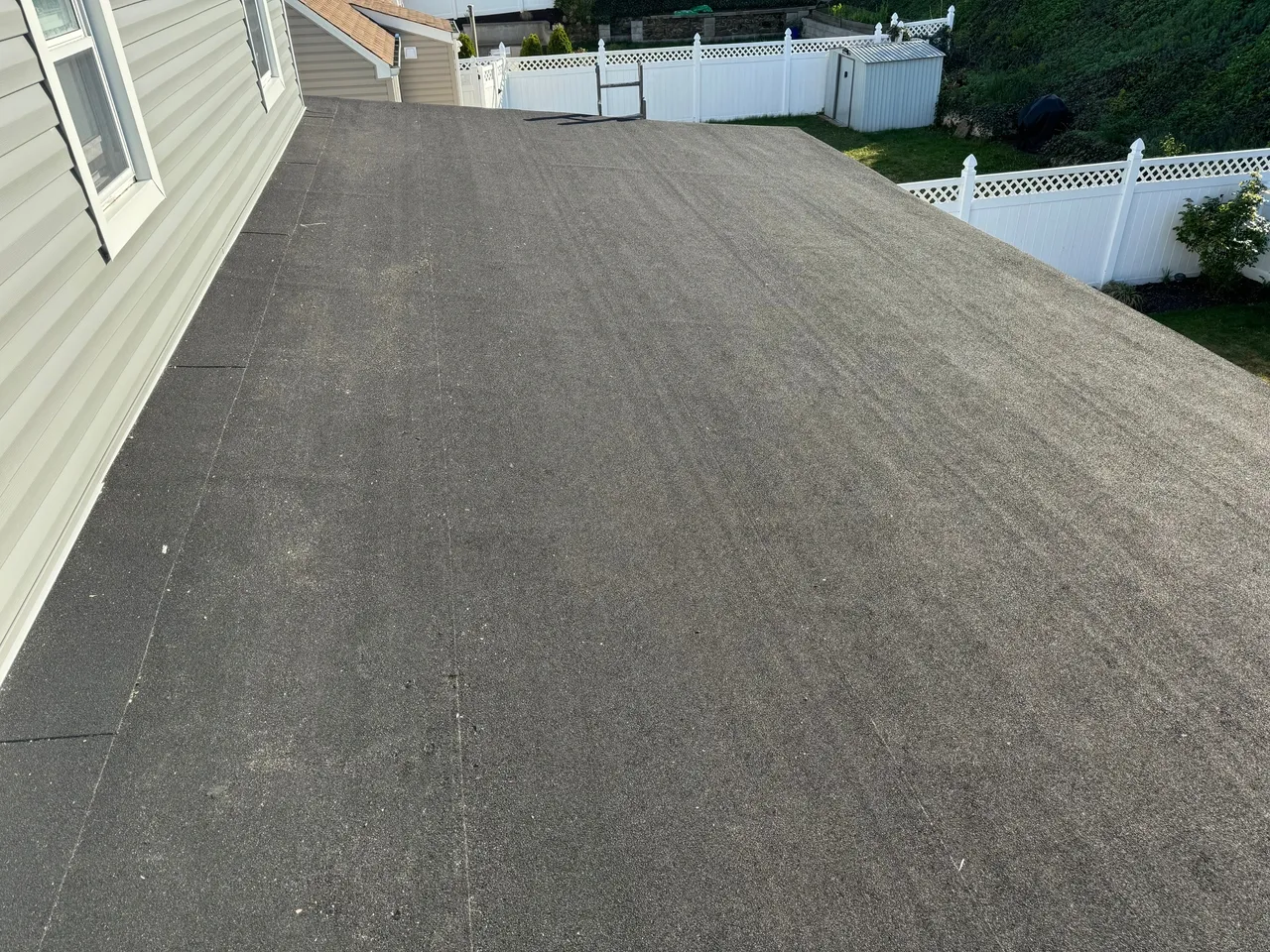

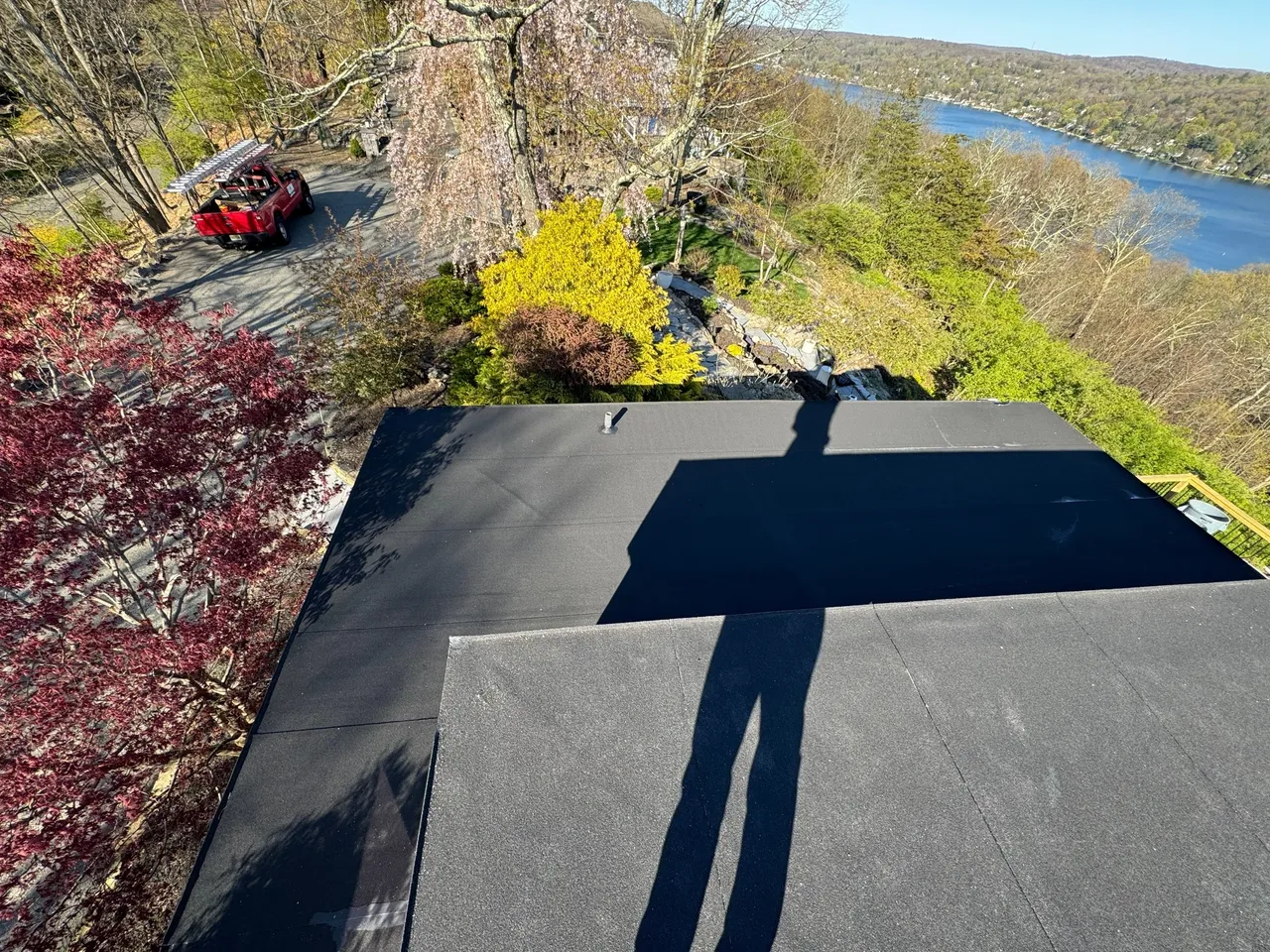
A roof in Succasunna has to do more than look good from the street. It has to stand up to freeze and thaw cycles, heavy rain, humid summers, wind-driven storms, and the kind of snow load that exposes every shortcut a previous installer ever took. Homeowners often start thinking about replacement when shingles begin to curl or a leak stains the ceiling, but by that point the conversation should be bigger than patching visible damage. The real question is whether the entire roofing system is built for North Jersey weather, and whether the next roof will last longer than the one coming off.
That is where many roof replacements go right or go wrong. Material selection matters, but so do attic ventilation, flashing details, underlayment, ice protection, and the judgment to match a product to the house. A steep colonial with open sun exposure behaves differently than a low-slope section over a garage tucked under tree cover. In my experience, the longest-lasting roofs are not always the most expensive ones. They are the ones chosen with the local climate and the home’s weak points in mind.
What harsh weather really means for a roof in Succasunna
Harsh weather is not just one big storm. It is the cumulative effect of seasonal stress. In Succasunna, roofs commonly deal with winter ice dams, spring downpours, summer heat that bakes south-facing slopes, and autumn debris that clogs valleys and gutters. Each season creates a different kind of wear.
Winter is often the most punishing. Snow by itself is manageable for most properly framed roofs, but melting and refreezing at the eaves creates trouble. Warm attic air escapes upward, the roof deck warms, snow melts higher on the roof, and the water runs down to the colder edge where it refreezes. That is how ice dams start. Once that ice blocks drainage, water can back up under shingles. A homeowner may think the shingles failed, when the real cause is poor attic insulation, weak ventilation, or missing ice-and-water protection along the eaves.
Spring and summer reveal a different set of problems. Wind-driven rain tests flashing around chimneys, skylights, plumbing vents, and wall intersections. A roof can look acceptable from the yard and still be vulnerable at these transitions. I have seen roofs lose only a handful of shingles in a storm, yet sustain much larger hidden damage because the ridge vent was poorly fastened or step flashing had been reused during a prior reroof.
Then there is heat. New Jersey does not get Arizona temperatures, but repeated summer exposure still matters. Dark shingles absorb a lot of heat, which accelerates aging and can shorten the life of lower-grade products. Poor ventilation compounds that problem by trapping heat in the attic. Over time, shingles become brittle, sealant strips weaken, and granule loss speeds up.
Signs a repair is no longer the smart option
Roof repairs absolutely have their place. A single branch strike, a few lifted shingles after a wind event, or a flashing issue around one penetration can often be handled without replacing the entire system. The trouble comes when homeowners keep repairing a roof that has aged past the point of reliability.
Age is one clue, but it should never be the only one. A 15-year-old roof installed badly may be in worse shape than a 22-year-old roof installed with care. When I look at a roof for replacement, I pay close attention to pattern failures. If granule loss is widespread, shingle tabs are cracking in multiple areas, seal strips are failing, and the valleys are wearing thin, the roof is telling you it is near the end. If there are active leaks in more than one location, especially after previous repair attempts, that is another strong signal.
Homeowners in Succasunna also need to watch for subtle interior signs. A musty attic, damp roof sheathing, rusty nail tips, or insulation that looks compressed from repeated moisture exposure can all point to systemic roofing and ventilation issues. Once decking begins to soften, the project moves beyond cosmetics. At that stage, delaying replacement often increases the final bill because more wood repair will be needed.
Why material choice is not just a style decision
The market offers a lot of roofing products, but for most homes in Succasunna, the real contenders are architectural asphalt shingles, premium asphalt systems, metal roofing, and in some cases synthetic slate or cedar-look products. The right answer depends on budget, roof design, expected time in the home, and how much maintenance the owner wants to accept.
Architectural asphalt shingles remain the default for good reason. They offer a practical balance of cost, durability, and appearance. A quality architectural shingle installed over the right underlayment and ventilation setup can perform well in local conditions. Not all architectural shingles are equal, though. Weight, adhesive quality, impact resistance, algae resistance, and manufacturer system components all vary. The cheapest shingle in the category may save money upfront and cost more ten years later.
Premium asphalt products step up the thickness and visual depth. Some also provide better wind ratings or longer warranties when installed as a complete system. These can be a smart middle ground for homeowners who want more durability and curb appeal without moving into the price bracket of metal or composite roofing.
Metal roofing is often worth serious consideration in areas with snow, heavy rain, and long-term ownership plans. Properly installed metal sheds snow efficiently, resists fire, and can last a long time. It is not automatically the best choice for every home. Upfront cost is higher, installation quality matters even more, and details like snow guards, trim profiles, and sound control need attention. On the right house, though, metal can be an excellent match for harsh weather.
Synthetic slate and similar premium materials appeal to homeowners who want high-end looks with less weight and often less fragility than natural stone. These systems can perform very well, but the installer must know the product. A beautiful material installed by a crew learning on the job is a risk.
The parts of the roof homeowners rarely see, but should care about
The visible shingle or panel is only one part of the assembly. Most serious roof failures start at the details. A roof replacement done properly in Succasunna should address what lies beneath and around the finished surface.
Underlayment is Roof Replacement Succasunna, NJ the first layer of defense under the primary roofing material. In vulnerable areas, self-adhering ice-and-water membrane helps protect against backup from ice dams and wind-driven rain. Standard synthetic underlayment provides broad field protection across the rest of the deck. The placement and extent of these materials should reflect the roof’s pitch, the eave design, and local conditions.
Flashing is where craftsmanship shows. Chimneys, dormers, wall connections, plumbing vents, and valleys are where leaks usually begin. Reusing old flashing to save time is one of those shortcuts that looks efficient on installation day and expensive two winters later. Chimneys deserve especially close attention because the masonry itself can be part of the problem. A new roof tied into a deteriorated chimney without addressing crown cracks, failing mortar joints, or bad counterflashing is only half a repair.
Ventilation is another critical piece. Many roofing problems blamed on shingles are actually attic airflow issues. If intake at the soffits is blocked, or if exhaust is poorly balanced, heat and moisture build up. In winter that contributes to ice dams. In summer it cooks the underside of the roof deck and shortens shingle life. A proper roof replacement should include a ventilation assessment, not just a material swap.
How roofing systems perform under snow, ice, and wind
Homeowners often ask which roof is “best” for bad weather, but performance depends on the system, not a single label. A standard shingle roof with excellent installation can outperform a premium material installed carelessly. That said, some design features matter more in snowy and windy climates.
Sealing strength is important because gusty storms can get under poorly bonded tabs and start a chain reaction. High-quality shingles tend to have stronger adhesive strips and better tear resistance. Nail placement matters just as much. A shingle nailed too high may meet code in appearance and fail in real wind.
For snow and ice, eave protection is non-negotiable. So is attention to valleys, where meltwater concentrates. Closed-cut valleys, woven valleys, and metal valleys each have their place, but the decision should be based on roof slope, shingle type, and installer experience, not just habit. In heavily treed areas, valleys also catch leaves and twigs, which hold moisture and speed wear.
Metal roofing has an edge in shedding snow, but that creates its own planning issues. Snow sliding off in sheets can damage gutters, landscaping, or anything below, including a lower roof section. Snow retention systems may be needed. This is a good example of why “durable” should never mean “one-size-fits-all.”
Color, algae resistance, and the practical side of curb appeal
Roof color is not only an aesthetic choice. It affects heat absorption, how quickly staining becomes visible, and how the house sits visually in the neighborhood. Dark shingles are popular and can look sharp on many homes, especially with light siding or brick. They also absorb more solar heat. That does not automatically make them a bad choice in New Jersey, but it is worth discussing if the attic already runs hot.
Lighter colors can reduce heat gain somewhat and may age more gracefully on sunny exposures. They also tend to show algae streaking differently. In humid regions, black streaks caused by algae are common. Many modern shingles include algae-resistant technology, which is worth considering if the roof has northern exposure, significant shade, or a history of staining.
A practical homeowner usually lands on a color that works with the house, hides normal wear reasonably well, and does not create avoidable heat issues. The roof is too expensive to choose purely from a sample board under showroom lighting.
The budgeting reality of roof replacement in Succasunna, NJ
The cost of Roof Replacement Succasunna, NJ homeowners see quoted can vary quite a bit, and there are legitimate reasons for that. Roof size is only the starting point. Complexity drives labor. A simple gable roof with one vent stack is a different job from a roof with multiple dormers, intersecting valleys, skylights, a chimney, and a steep pitch that requires extra safety setup.
Material tier changes the budget, but so does what lies underneath. If old decking has to be replaced, if ventilation has to be corrected, or if flashing around masonry and walls needs custom fabrication, the price goes up. Those are not inflated add-ons. They are often the difference between a roof that lasts and one that becomes a call-back.
Homeowners should be careful with estimates that come in dramatically lower than the rest. Sometimes a low number reflects efficiency or lower overhead. More often, it means something essential has been left vague. Disposal, permit handling, deck replacement allowances, flashing replacement, ventilation modifications, and warranty terms should all be clear. A roof bid that looks cheap on page one can become expensive once “unforeseen conditions” start appearing.
There is also a timing question. Some owners want to squeeze one more winter out of a tired roof. Occasionally that works. Just as often, the roof fails during the worst possible weather, when emergency repairs are harder and interior damage spreads. Planned replacement is almost always less costly than reactive replacement after a major leak.
What a careful contractor will evaluate before recommending a product
A trustworthy roofing professional should spend more time inspecting than selling. Before recommending a material, they should be evaluating the roof’s geometry, attic conditions, drainage patterns, existing ventilation, signs of ice dam history, and the condition of penetrations and adjacent structures.
Pitch matters because steeper roofs shed water faster, while lower slopes require more conservative waterproofing details. Tree coverage matters because shade can preserve a roof from UV exposure while increasing moss, algae, and debris retention. Chimney condition matters because failing masonry can mimic a roof leak. Gutters matter because poor drainage sends water back where it does not belong.
It is also worth asking whether the contractor will replace all flashings, how they handle valley details, what underlayment they specify, and whether they will document deck condition once the old roof comes off. The answers reveal a lot about their process. Contractors who speak clearly about weak points usually build stronger roofs.
When premium materials make sense, and when they do not
There is a temptation to assume that if one roofing material costs more, it must be better for everyone. That is not always true. A homeowner planning to move in five years may not benefit from paying for a 50-year material, especially if the neighborhood price range will not return the investment. On the other hand, a family intending to stay long term in a home with recurring ice dam issues may save money royaltyexteriorsnj.com Roof Replacement Succasunna, NJ by investing in a higher-performing system and correcting ventilation at the same time.
A premium roof tends to make the most sense when the house has a long ownership horizon, significant weather exposure, or architectural features that justify a more robust material. It also makes sense when the current roof has failed earlier than expected and the owner wants to solve the underlying reasons, not repeat the same installation with slightly newer shingles.
The least expensive option can still be the right one if the house is straightforward, the attic is healthy, and the product is installed with discipline. Value is not the same as low price. Value is getting the right service life and performance for the money spent.
Installation day is important, but the prep work is what protects the house
Homeowners tend to focus on the day shingles arrive and crews start tearing off the old roof. That is understandable, because it is loud and visible. But the quality of a roof replacement is set earlier, during planning and prep.
Protection of landscaping, siding, windows, and driveways matters. So does weather timing. Good crews watch forecasts carefully because no one wants a roof opened up under unstable conditions. Once tear-off begins, the deck should be inspected honestly. If soft spots, rot, or delamination are found, the owner should be told promptly and given a reasonable explanation of the remedy.
One of the best habits I have seen from disciplined crews is simple documentation. Photos of the exposed decking, flashings, underlayment, and ventilation changes create transparency. Homeowners rarely climb onto the roof, and they should not have to guess what was done. A professional contractor understands that the hidden work is often the most valuable work.
Maintenance after replacement still matters
A new roof is not maintenance-free, even when built well. Harsh weather shortens the life of neglected roofs faster than most people expect. That does not mean constant attention is required, but a few habits make a real difference.
Seasonal visual checks from the ground can catch missing shingles, bent flashing, or damaged gutters early. Gutters should stay clear so water can leave the roof edge properly. Overhanging branches should be trimmed back enough to reduce abrasion and debris buildup. Attics should be checked occasionally for signs of condensation or staining, especially after severe weather.
After a major wind or hail event, it is wise to have the roof inspected even if no leak is obvious. Some storm damage is subtle at first. Early documentation also helps if an insurance claim becomes necessary.
Making the final choice with confidence
The best Roof Replacement Succasunna, NJ homeowners can choose is usually not defined by a brand name alone. It is the combination of a material suited to the house, a system built for local weather, and an installer who understands how water, ice, heat, and time actually affect roofs in Morris County.
If I had to narrow the decision down to what matters most, I would focus on three things: how the roof handles ice and water at the edges and valleys, whether the attic ventilation and insulation support the new system, and whether every flashing detail is being treated as a critical waterproofing component rather than a minor accessory. Those are the areas where harsh weather exposes weak workmanship first.
A roof replacement is a major investment, but it is also one of the few home upgrades that protects almost every other part of the house. Siding, framing, insulation, drywall, flooring, and even indoor air quality all depend on keeping water out. When the selection process is handled carefully, homeowners end up with more than a fresh exterior. They get a roof that matches the climate, respects the structure beneath it, and holds its ground when Succasunna weather does what it always does, test every seam.
Royalty Exteriors
151 NJ-10 Suite 103A, Succasunna, NJ 07876, United States
+1 973-333-7234
FAQ About Roof Replacement Succasunna, NJ
What are signs a roof needs replacing?
Widespread shingle deterioration, repeated leaks, or damaged decking can point to a larger problem. A roofer can inspect the roof covering, flashing, and deck to determine whether the damage is localized or whether replacement makes more sense.
How long does it take to reroof a 2000 square foot house?
Royalty Exteriors estimates one to three days for many single-family roof replacements. A house’s floor area does not tell you the actual roof area. Pitch, roof features, weather, and any decking repairs can change the schedule.
How long should a roof last in NJ?
There is no single lifespan for every roof. Material, installation quality, attic ventilation, maintenance, and exposure to storms all affect how long a roof remains serviceable. An inspection can help you assess its condition and plan for replacement.